
How to Prevent a Plumbing Disaster: 5 Steps You Can Take to Keep Your Home Safe
Most plumbing disasters don’t come out of nowhere. They usually start as small, easy-to-miss issues that build over time. A slow leak under a sink. A worn-out valve. A drain that’s just a little sluggish.
The problem is, those small issues don’t stay small forever. When they let go, it’s often all at once. Water damage, cleanup, and repairs can add up fast.
The good news is that there are a handful of simple things you can do to protect your home and avoid most of these situations altogether.
1. Know where your shutoff valves are
This is the single most important thing every homeowner should know. If a pipe bursts or something starts leaking heavily, shutting off the water quickly can be the difference between a minor inconvenience and a major mess.
Make sure you know where your main water shutoff is located. In most homes around this area, it’s in the basement near the water meter. You should also know where the smaller shutoffs are for sinks, toilets, and your water heater.
If it’s been a while, take a minute to test them. Valves that haven’t been touched in years sometimes don’t work when you need them.
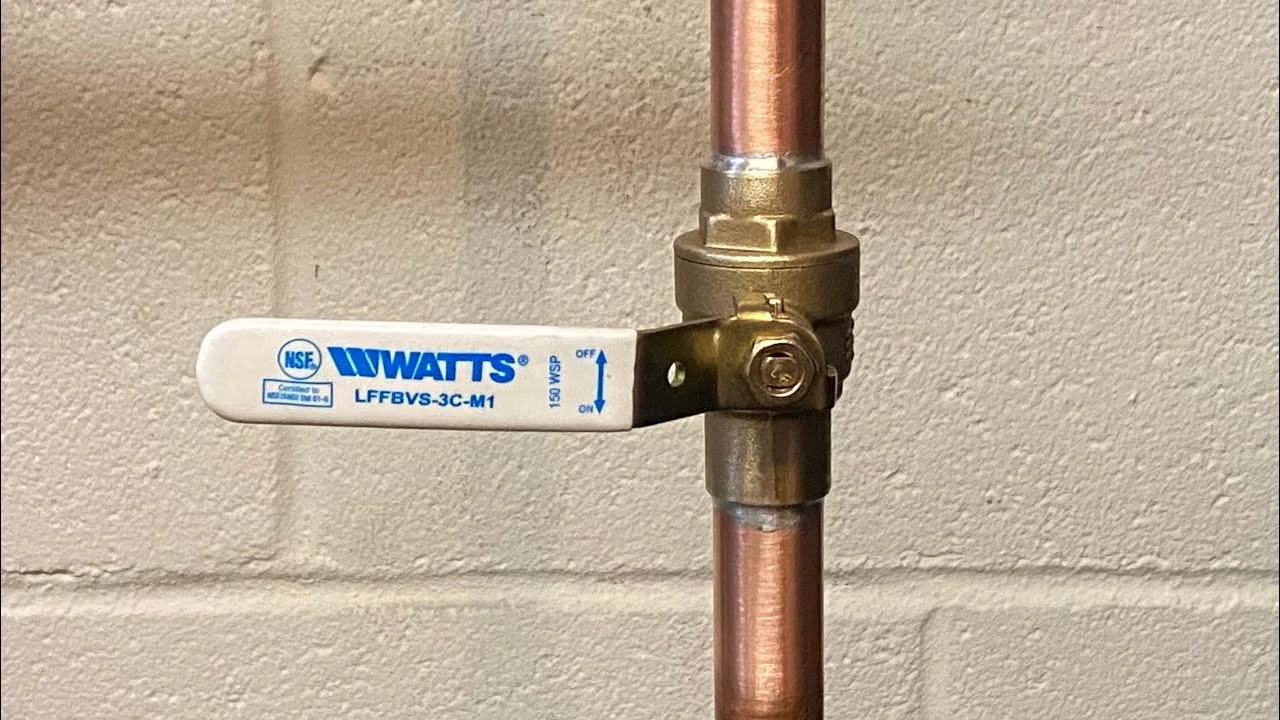
This is what a common shutoff valve looks like. Be sure to find the main shutoff in your house so you can prevent major water damage issues.
2. Keep an eye on small leaks
That slow drip under the kitchen sink or the tiny puddle near the water heater might not seem urgent, but it’s often a warning sign.
Leaks tend to get worse, not better. What starts as a loose connection or worn washer can turn into a full failure. On top of that, even small leaks can lead to mold, rot, and higher water bills.
If you notice something, it’s worth addressing sooner rather than later.
3. Be mindful of what goes down your drains
Clogged drains are one of the most common calls we get, and a lot of them are preventable.
In the kitchen, avoid putting grease, oils, and food scraps down the drain. Even if you have a garbage disposal, it’s not designed to handle everything.
In the bathroom, hair and soap buildup are the usual culprits. A simple drain screen can go a long way in keeping things flowing properly.
4. Don’t ignore slow drains or strange noises
If your sink is draining slowly, your toilet is bubbling, or you hear gurgling sounds from your pipes, your plumbing system is trying to tell you something.
These are often early signs of a blockage or venting issue. Catching it early can mean a simple fix. Waiting too long can lead to backups or even sewer issues, which are a lot more disruptive to deal with.
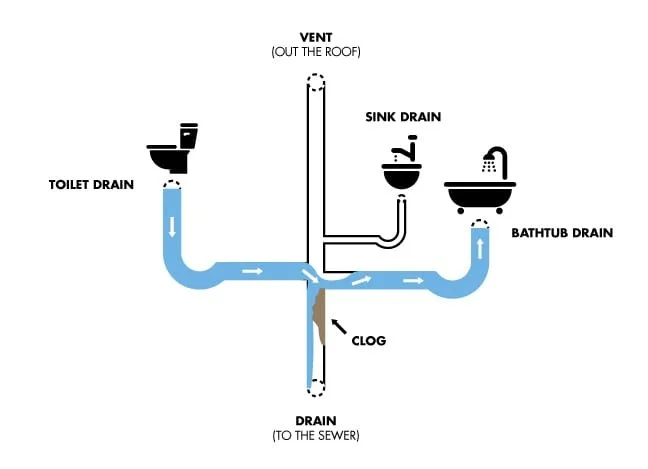
Here is a sample cross section of a residential plumbing system. All or most waste lines in your house will tie together before heading off to the sewer. A partial clog can often be snaked before becoming a full backup!
5. Schedule routine plumbing maintenance
Most people don’t think about their plumbing system until something goes wrong. Regular maintenance helps flip that around.
A simple annual check can catch worn parts, small leaks, and developing issues before they turn into bigger problems. It also gives you peace of mind knowing everything is in good working order.
At Pescara Plumbing, we see firsthand how much trouble a little prevention can save. Homes that get routine attention tend to have far fewer emergencies.
A little effort now saves a lot later
You don’t need to be an expert to keep your home protected. Just staying aware and taking care of the basics goes a long way.
If something doesn’t seem right, it’s always better to take a look early. Plumbing problems rarely fix themselves, but they’re often much easier to deal with when caught in time.
And if you ever do end up with a serious issue that causes water damage, you’re not on your own trying to figure out the next steps. We work with trusted local remediation companies and can connect you directly with the right people to get cleanup and restoration moving quickly. We’ll help coordinate that communication so you’re not left chasing down answers in the middle of a stressful situation.
If you ever have questions or want a second opinion, we’re here to help.
Leave us a work request here
(440) 373-7811